参观时间闭馆
|星期一, 一月 12, 2026Bronx Zoo, 2300 Southern Boulevard, Bronx, New York, USA
返回 travel
exhibits
Madagascar! Exhibit Guide: Lemurs & Fossas
A visitor’s guide to the Bronx Zoo’s Madagascar! exhibit with behavior tips and conservation context.
1/12/2026
15 min read
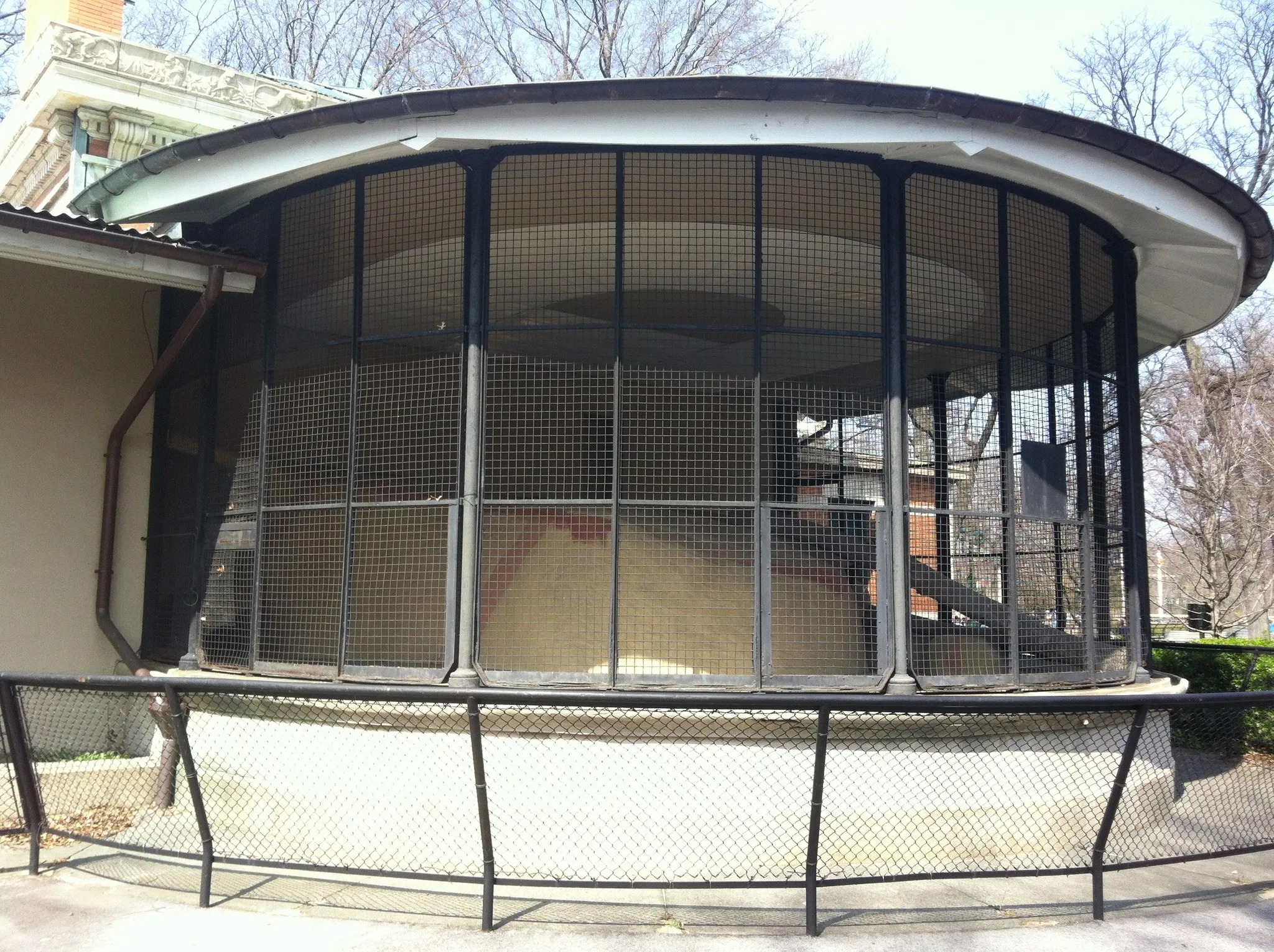
Madagascar’s animals evolved in isolation, producing behavior and bodies unlike anywhere else. This exhibit is compact but layered—read it slowly.
Why Visit
- Distinct species you won’t see in most other exhibits.
- Clear narratives tying animals to real conservation work.
- Great mid-visit reset: shaded approach, manageable pacing.
Timing & Behavior
- Lemurs: Active in cooler hours—arrive early.
- Fossas: Watch for perimeter patrols and scent checks.
- Birds: Subtle, but rewarding—scan the mid-canopy.
Micro-Route (30–40 minutes)
- Lemurs → note group spacing and vocal cues.
- Fossa → track along edges; watch for scent-mark loops.
- Birds and reptiles → scan mid-canopy, then underbrush.
Species Snapshot
| Group | What to Watch | Photo Note |
|---|---|---|
| Lemurs | Grooming, short sprints, group spacing | Expose for faces; soft light wins |
| Fossa | Perimeter patrols, scent checks | Anticipate re-entries into frame |
| Birds | Perch changes, quick flights | Use burst to catch takeoff |
Tip: Read the interpretive signs. The conservation story frames what you see.
Ecology Story (In Brief)
- Habitat fragmentation, invasive species, and fire risk shape survival.
- WCS projects link local communities with habitat protection.
What You Can Do
- Support habitat projects via WCS.
- Choose certified wood/paper; reduce pressure on forests.
Quick FAQs
- Is it stroller-friendly? Generally yes—watch for tighter viewing windows.
- Best lens? 50–85mm equivalents for portraits; phones do well in soft light.
Bottom Line
Madagascar! connects wonder with urgency—perfect for families who want science with their safari.
作者

NYC Zoo Insider
我编写了这份指南,愿你在布朗克斯动物园度过轻松、涨知识、且充满野趣的一天。
Tags
Bronx Zoo
Madagascar
Lemurs
Fossa
Comments (0)
Leave a Comment
Loading comments...