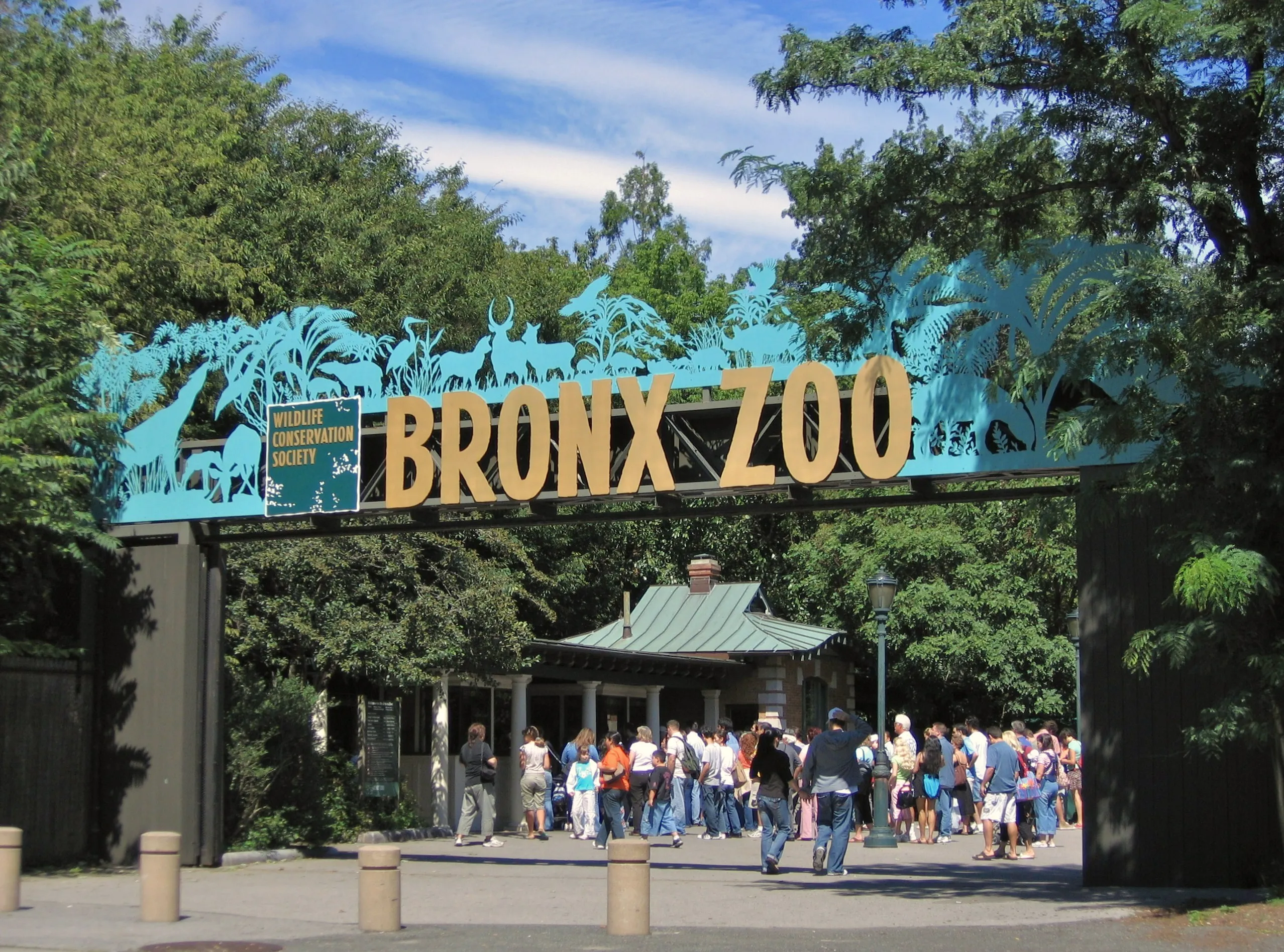
Bronx Zoo Tickets: Complete Guide (Types, Prices, Passes, Best Times)
Every ticket type explained with smart savings: General Admission vs Total Experience, city passes, discounts, best entry times, and money-saving combos.
→
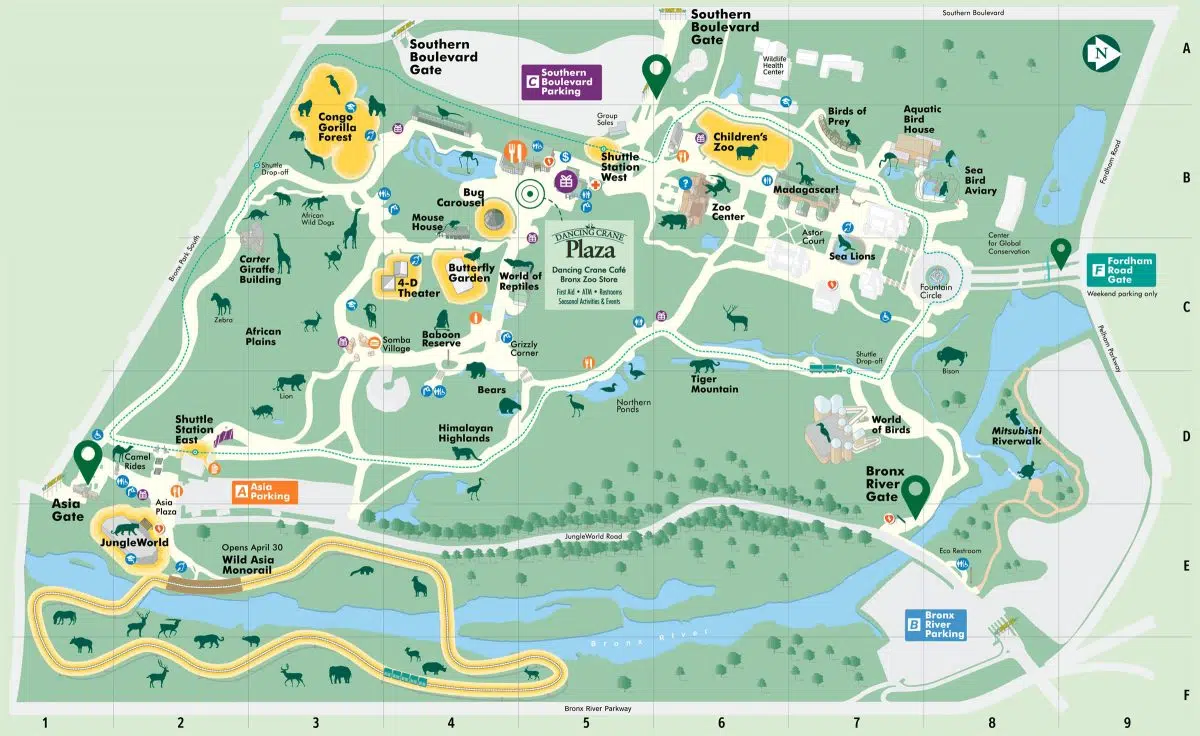
Bronx Zoo Map & Best Route: A Perfect One-Day Itinerary
Navigate 265 acres like a pro: optimized route, exhibit sequencing, break points, and photo stops using the official park map.
→
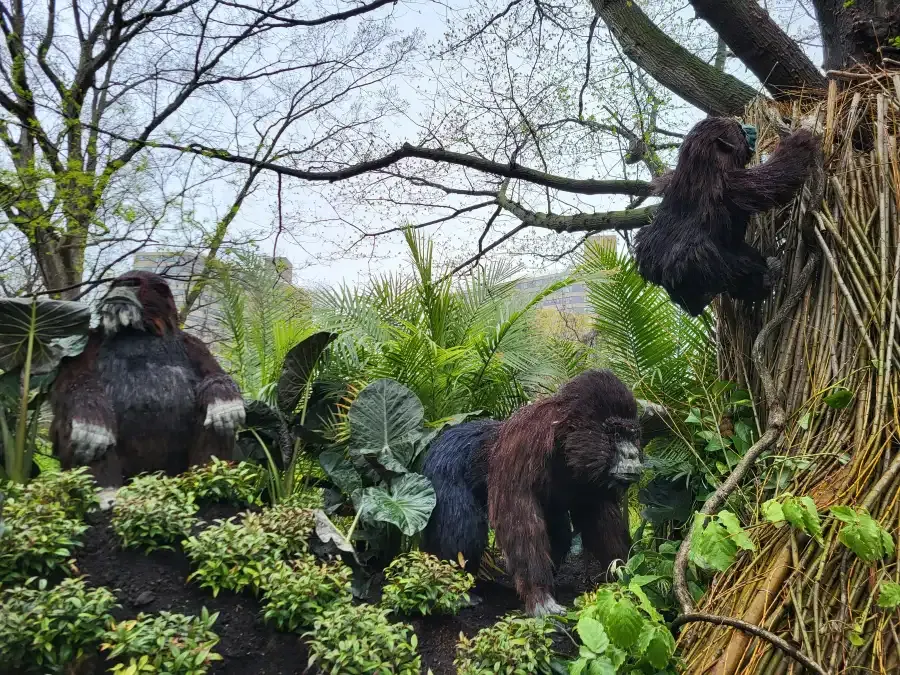
Congo Gorilla Forest: The Bronx Zoo’s Must-See Immersive Habitat
Behavior rhythms, best viewpoints, conservation story, and how to pair Congo with nearby exhibits for a high-impact hour.
→
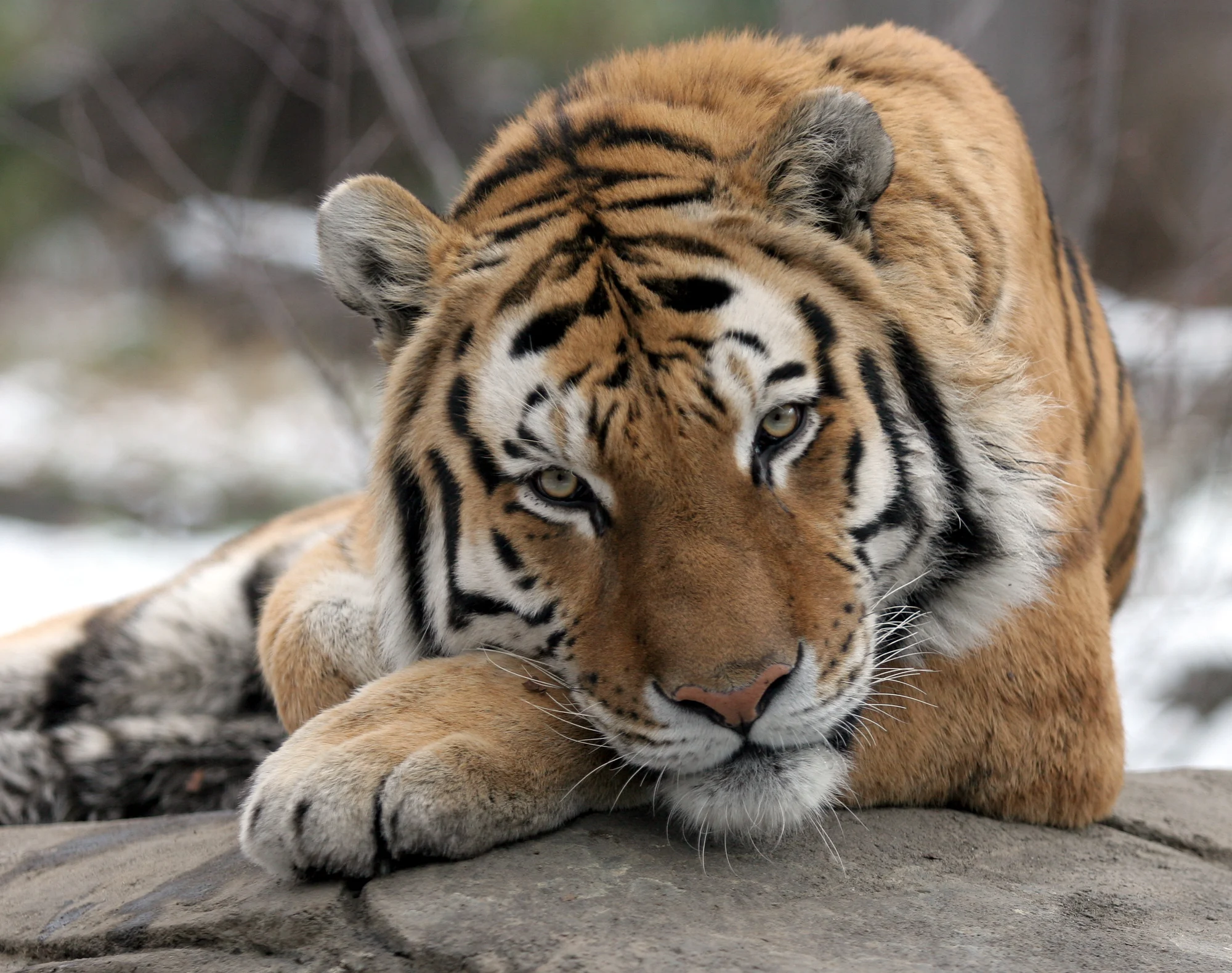
Tiger Mountain: Viewing Tips, Enrichment Times, and Photo Angles
Maximize your tiger viewing: best hours, where to stand, enrichment schedules, and angles that cut glare for better photos.
→
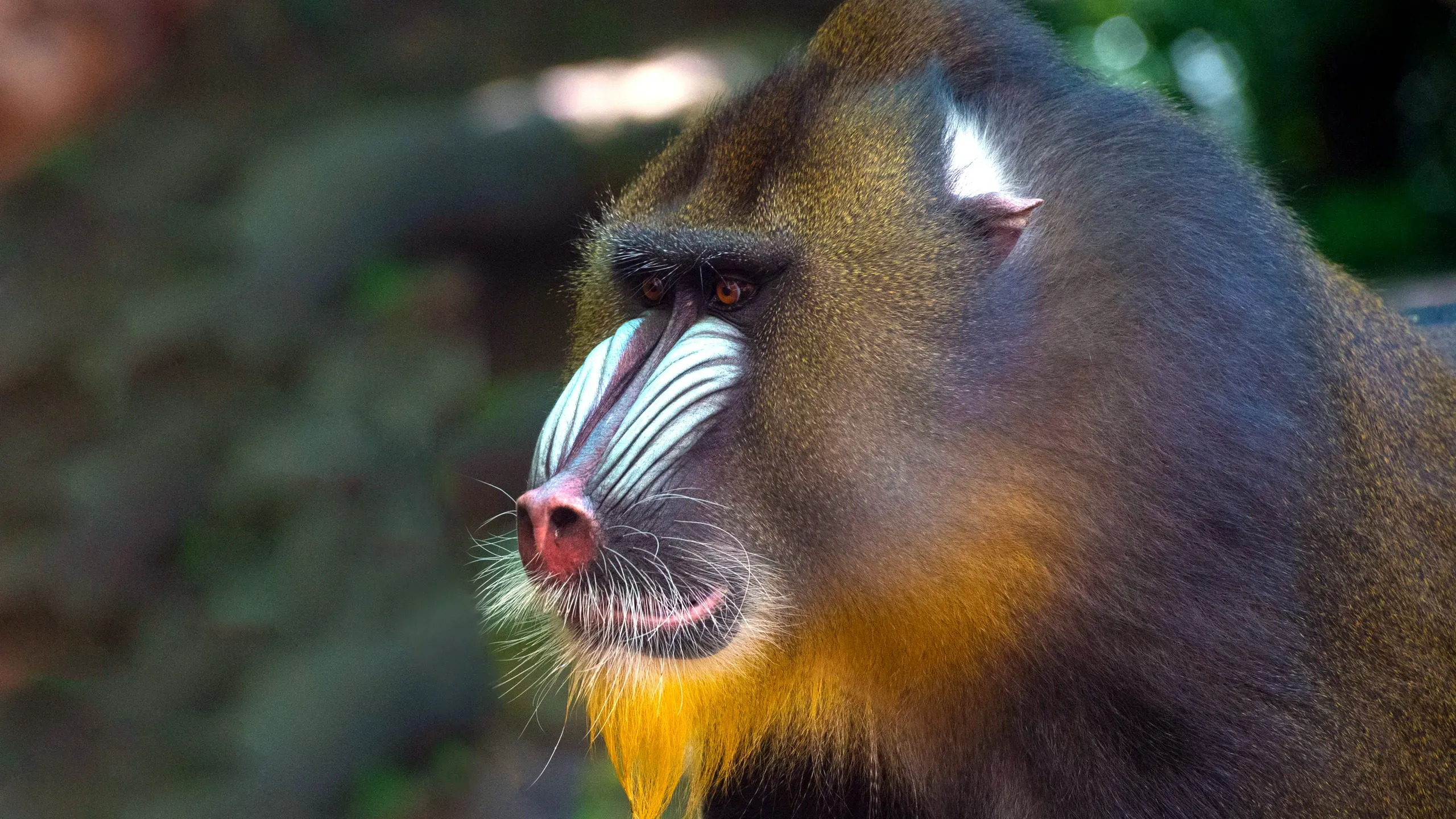
JungleWorld: Your Indoor Rainforest Reset (Routes, Species, Micro-Climates)
Make the most of JungleWorld’s immersive pathways: micro-climates, route choices, species highlights, and how to use this exhibit as your heat/rain fallback.
→
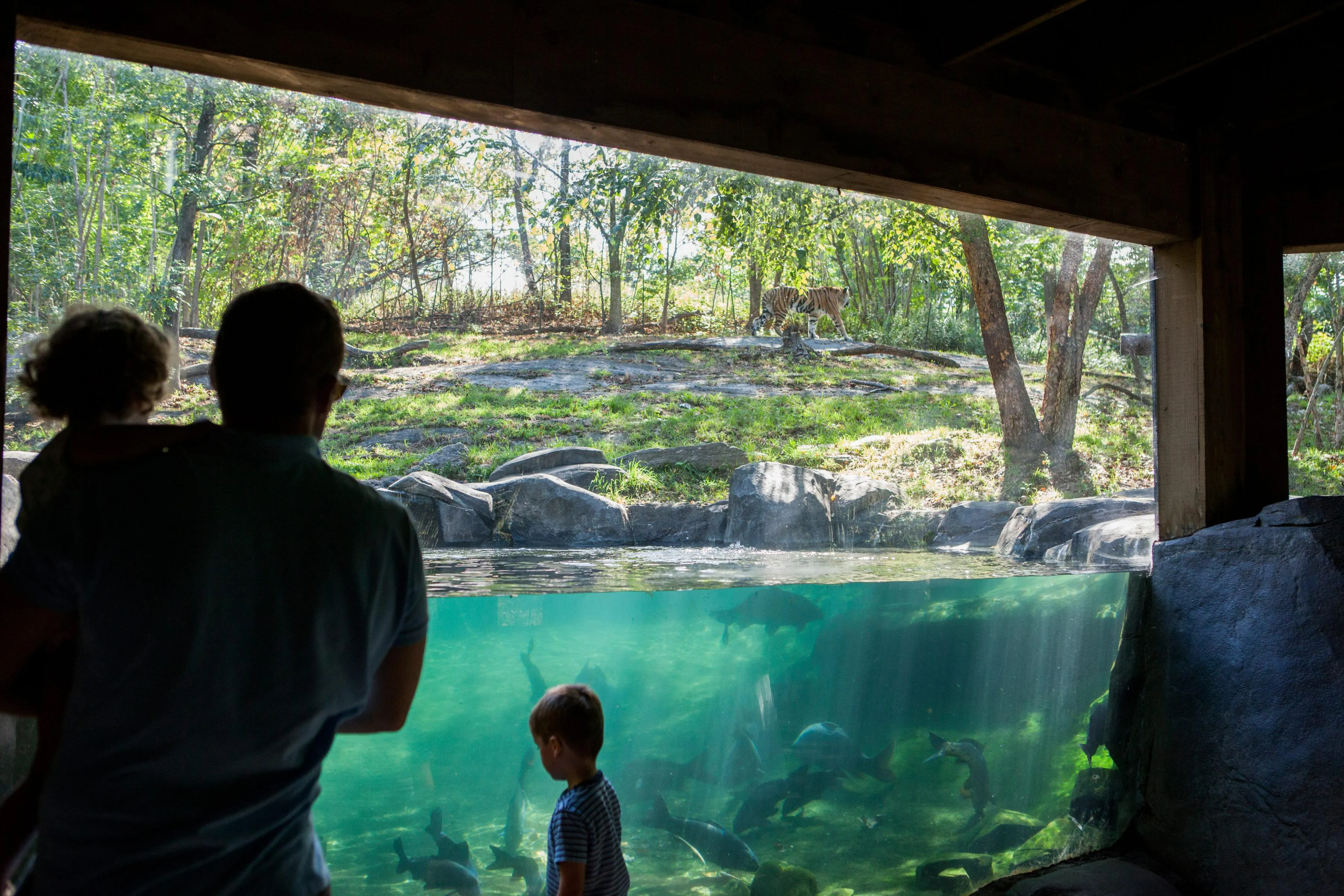
World of Reptiles: Alligators, Snakes, and Kid-Friendly Viewing
Navigate low-light viewing, find the biggest alligators, and keep kids engaged with bite-size observation challenges and quiet-side routes.
→

Wild Asia Monorail: Best Seats, Animal Hotspots, and Timing
Plan the perfect Monorail ride: which side to sit on, when animals cluster in shade, and how to score shorter lines.
→
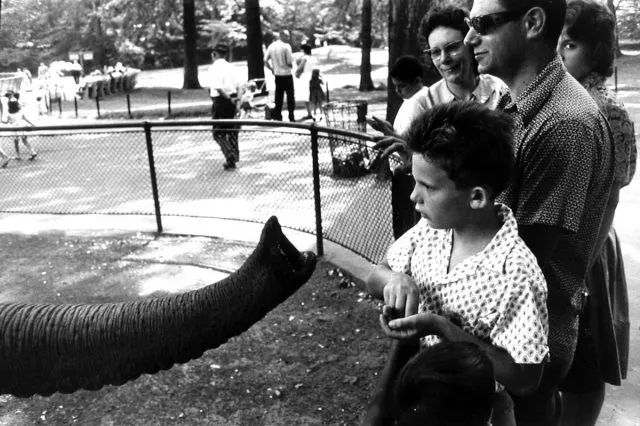
Children’s Zoo: Play, Learn, and Rest Stops (Seasonal Access)
A calm plan for families: rest spots, interactive experiences, stroller strategy, and combining Children’s Zoo with nearby exhibits.
→
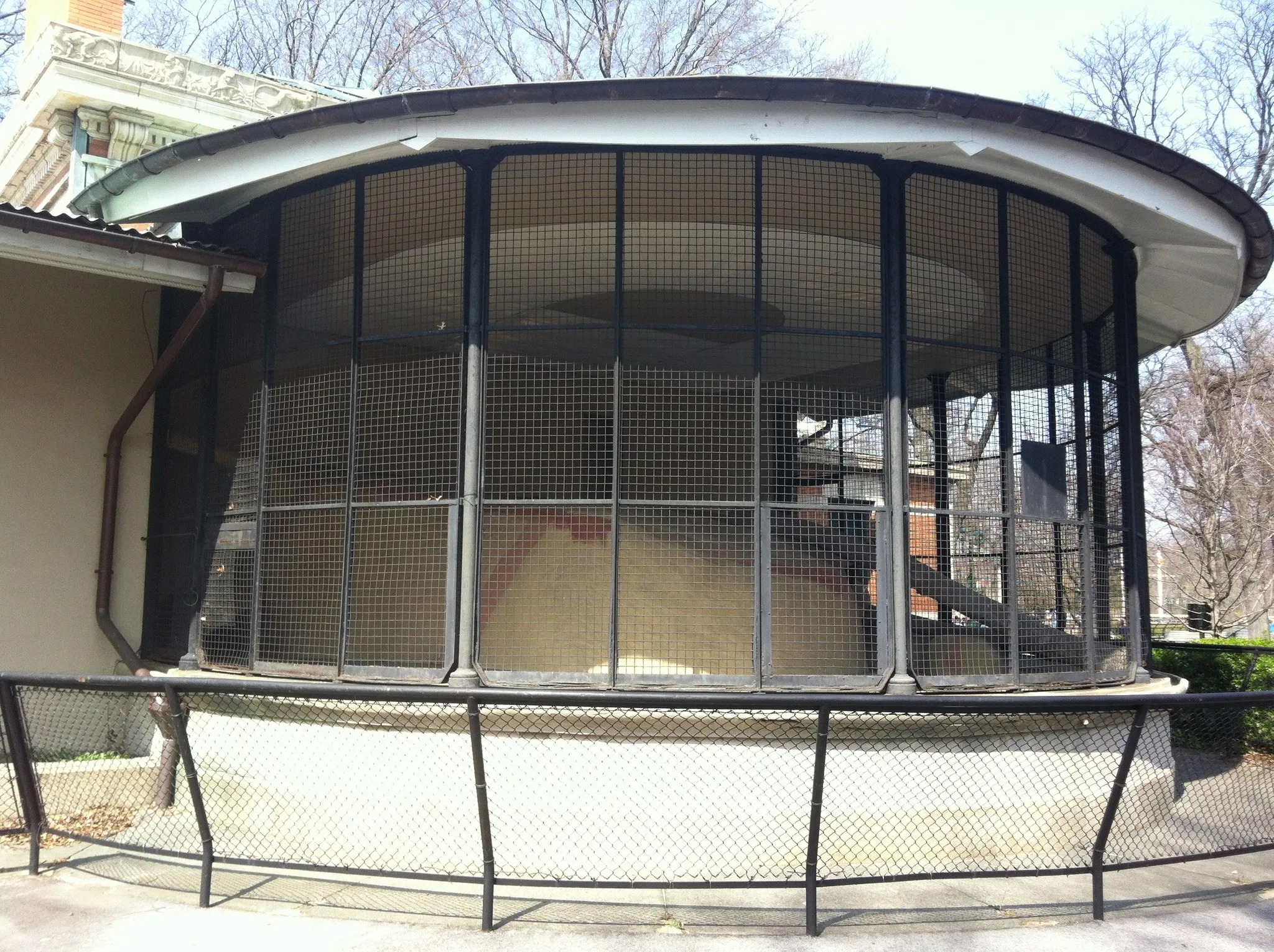
Madagascar! Exhibit: Lemurs, Fossas, and Island Ecology
Understand the island story: lemur behavior windows, fossa viewing tips, and why Madagascar’s ecology matters to all of us.
→
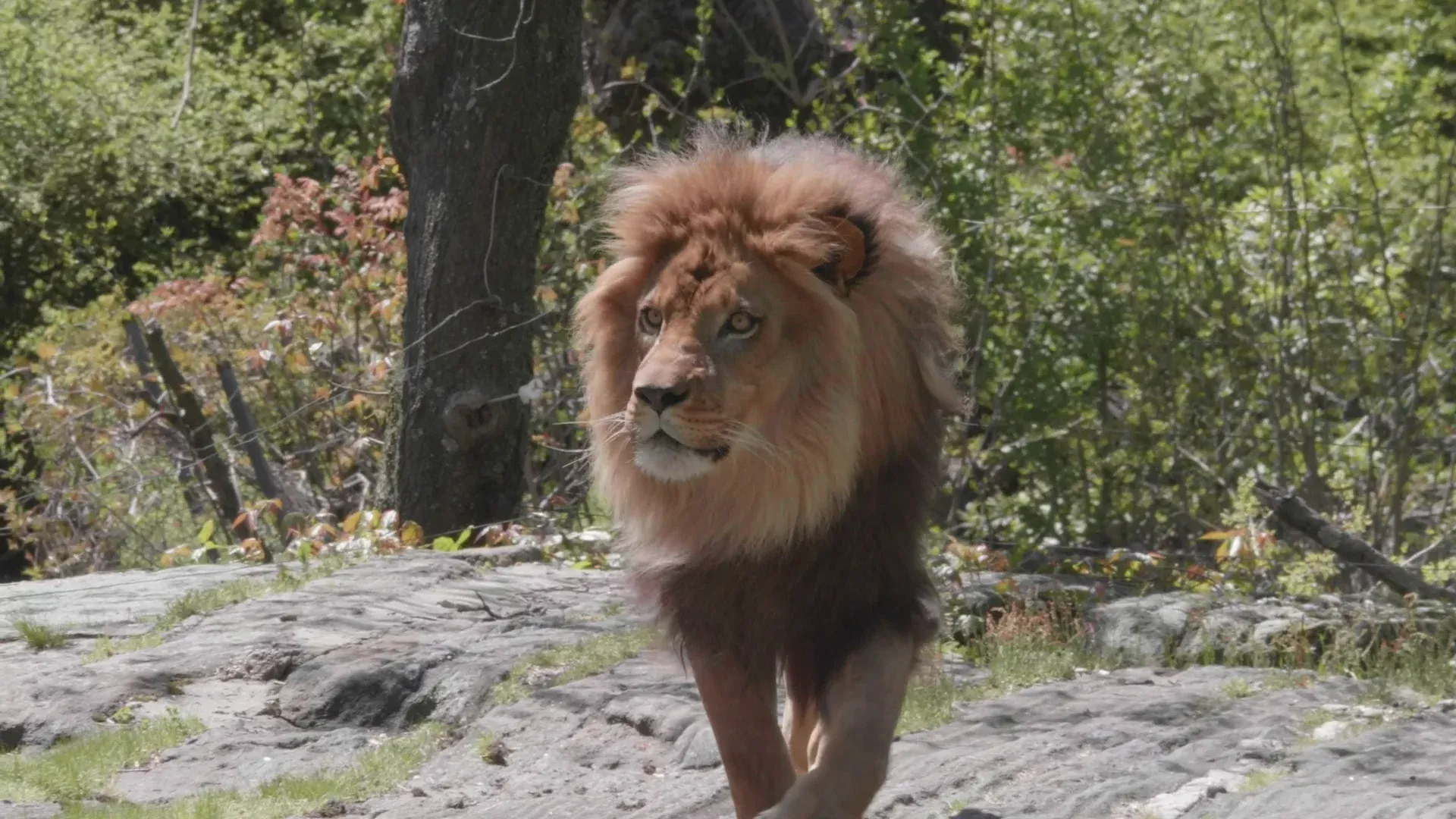
Sea Lion Pool: Best Rows, Show Rhythm, and Photo Timing
Catch the Bronx Zoo’s signature behaviors with fewer heads in your shots: seating, rhythm, and when to press the shutter.
→

Butterfly Garden (Seasonal): Gentle Encounters and Quiet Corners
A soft, sensory exhibit perfect for families: timing, etiquette, and how to keep butterflies comfortable—and visible—around you.
→

Dining at the Bronx Zoo: Best Spots, Quiet Hours, and Kid-Friendly Picks
Where to refuel without losing momentum: top dining locations, quieter time windows, and kid-friendly menu picks.
→
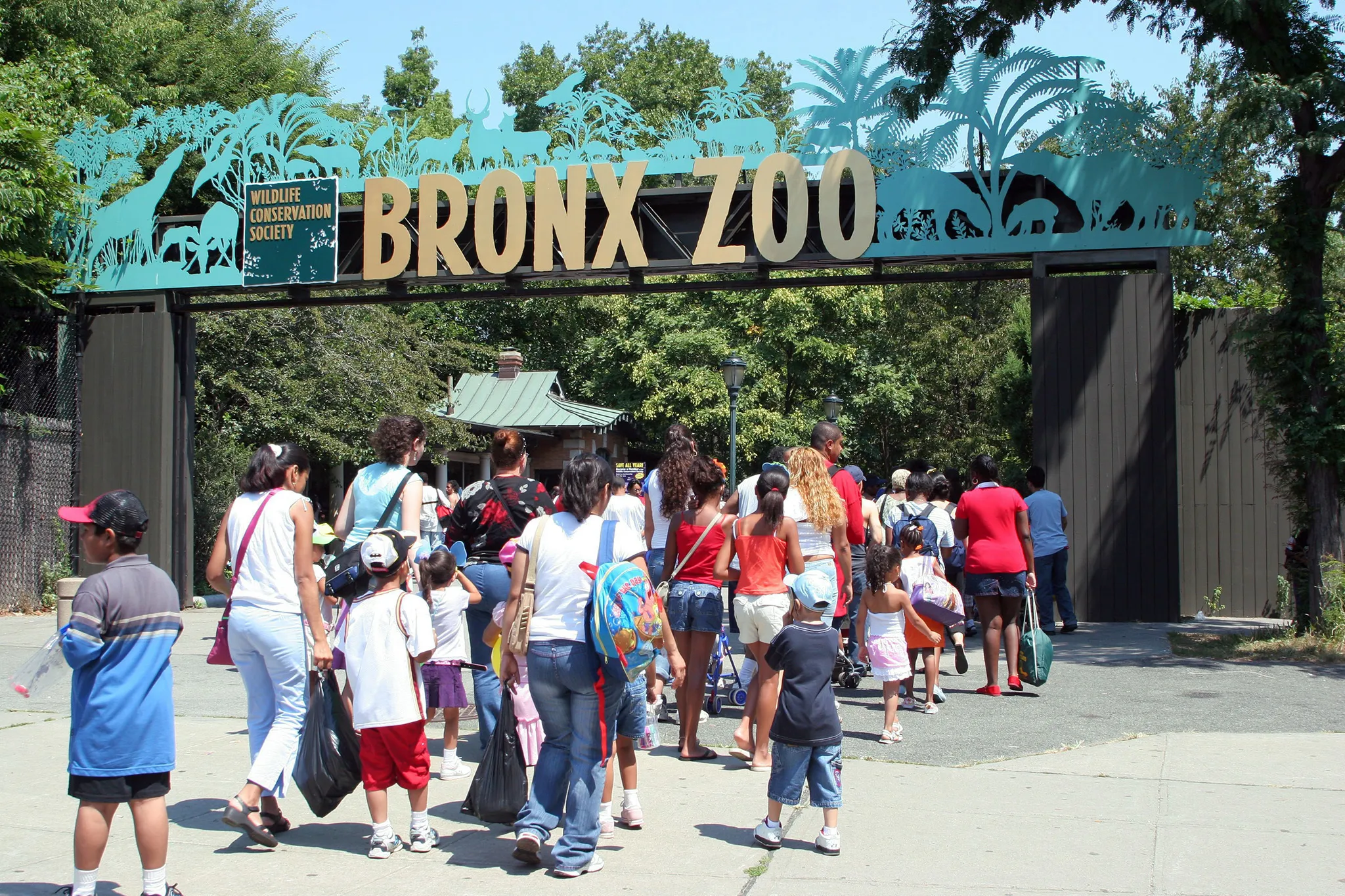
Accessibility & Family Planning: Strollers, Wheelchairs, and Quiet Routes
Step-free options, stroller parking, wheelchair-friendly arcs, and how to structure a calm day for sensory comfort.
→
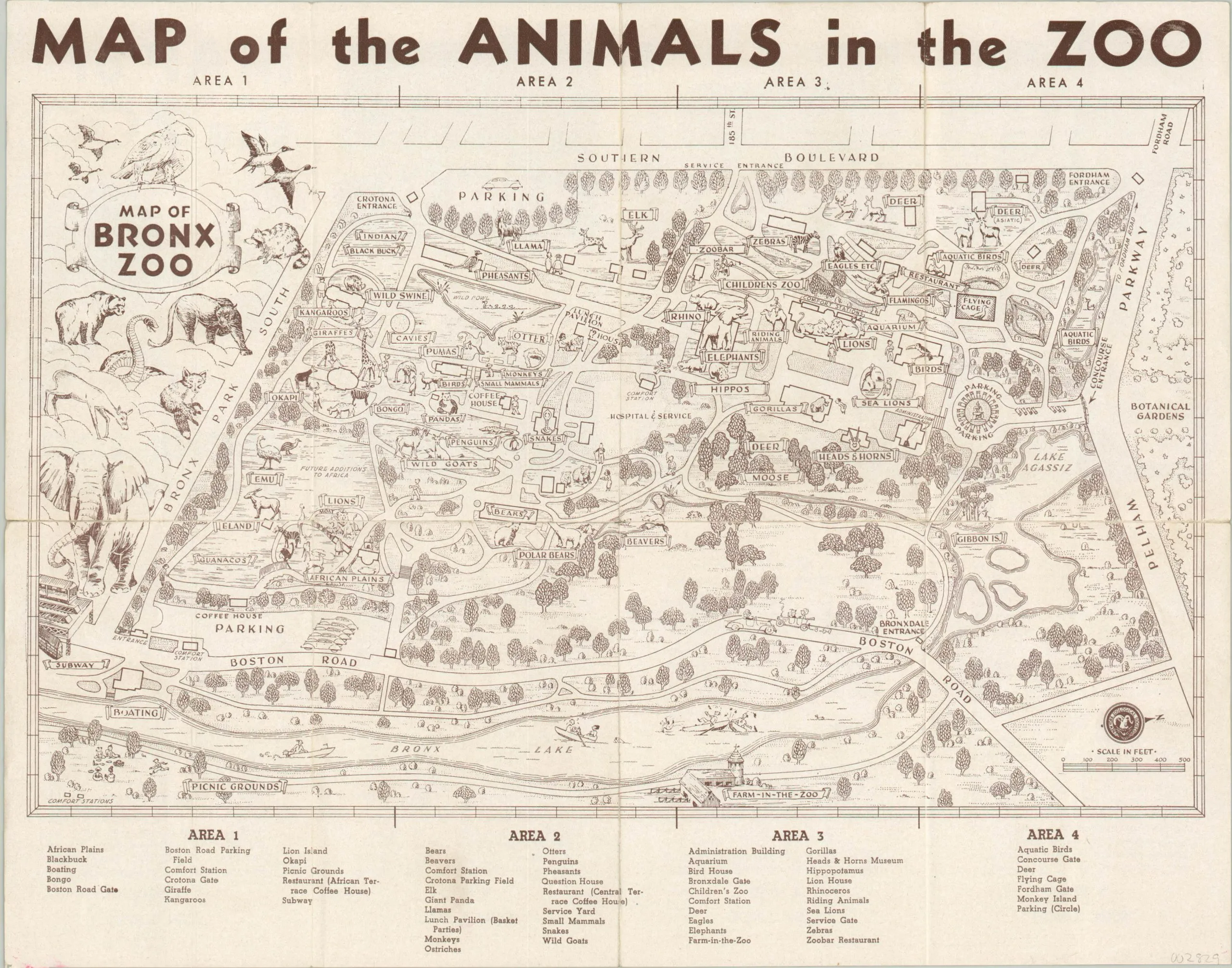
Bronx Zoo History: Vintage Maps, Old Photos, and Evolving Habitats
Travel through time with archival maps and photos: how habitats evolved from cages to immersive landscapes—and why it matters.
→
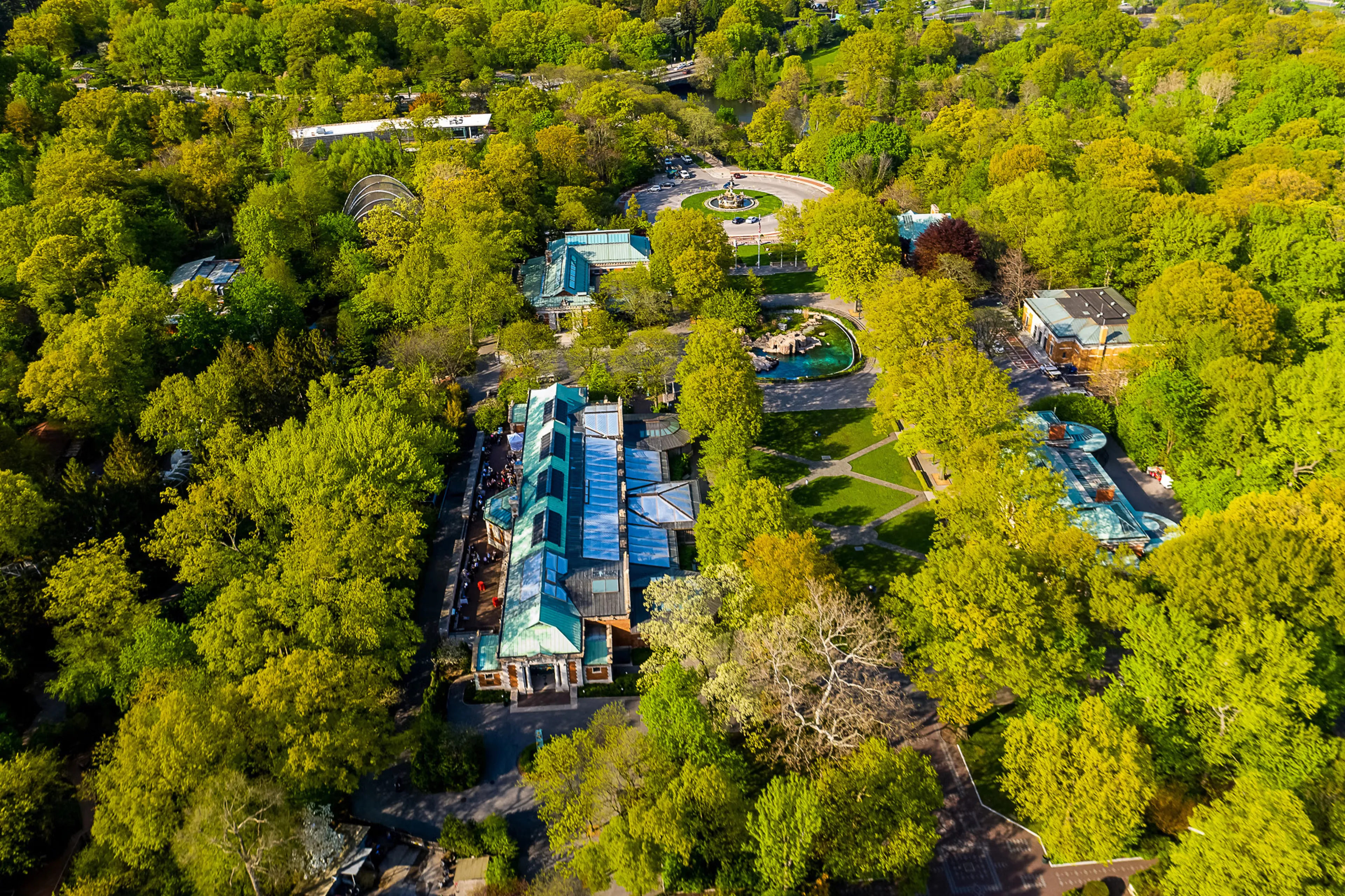
Best Photo Spots: Angles, Light, and Crowd-Aware Composition
Shoot like a local: the best angles, how to manage glass glare, and crowd-aware composition that keeps faces out of your frames.
→

WCS Membership: Is It Worth It for the Bronx Zoo?
Costs, benefits, free experiences, and who gets the most value—families, locals, or frequent zoo-and-aquarium visitors.
→
Holiday Lights & Special Events: What’s New, What’s Worth It
Seasonal highlights, ticket strategies, and how to plan evenings for light shows without exhausting kids.
→
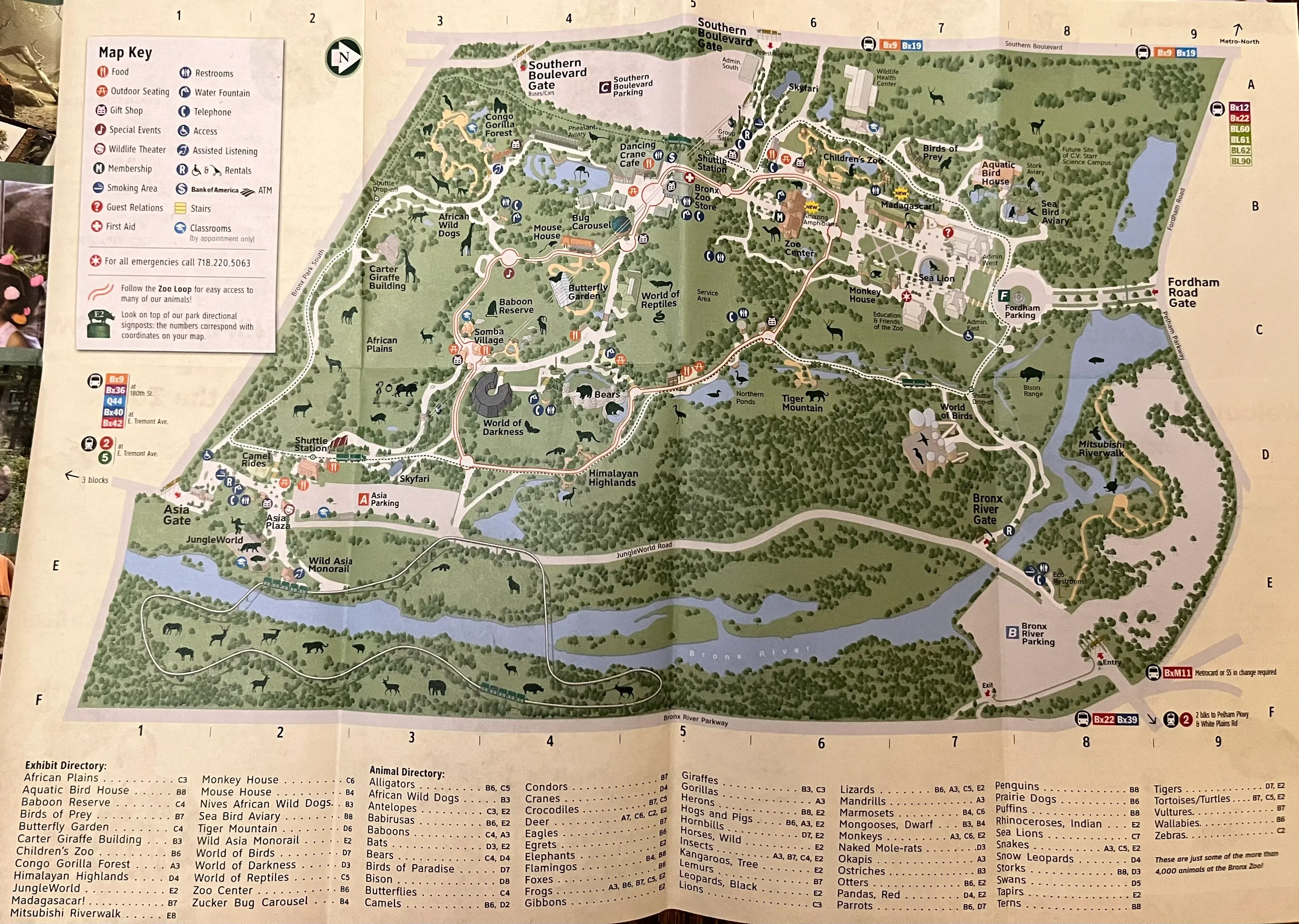
Getting There: Subway, Bus, Parking, and Entry Gates
All the ways to reach the Bronx Zoo: fastest subway/bus combos, parking notes, and which gate to choose.
→
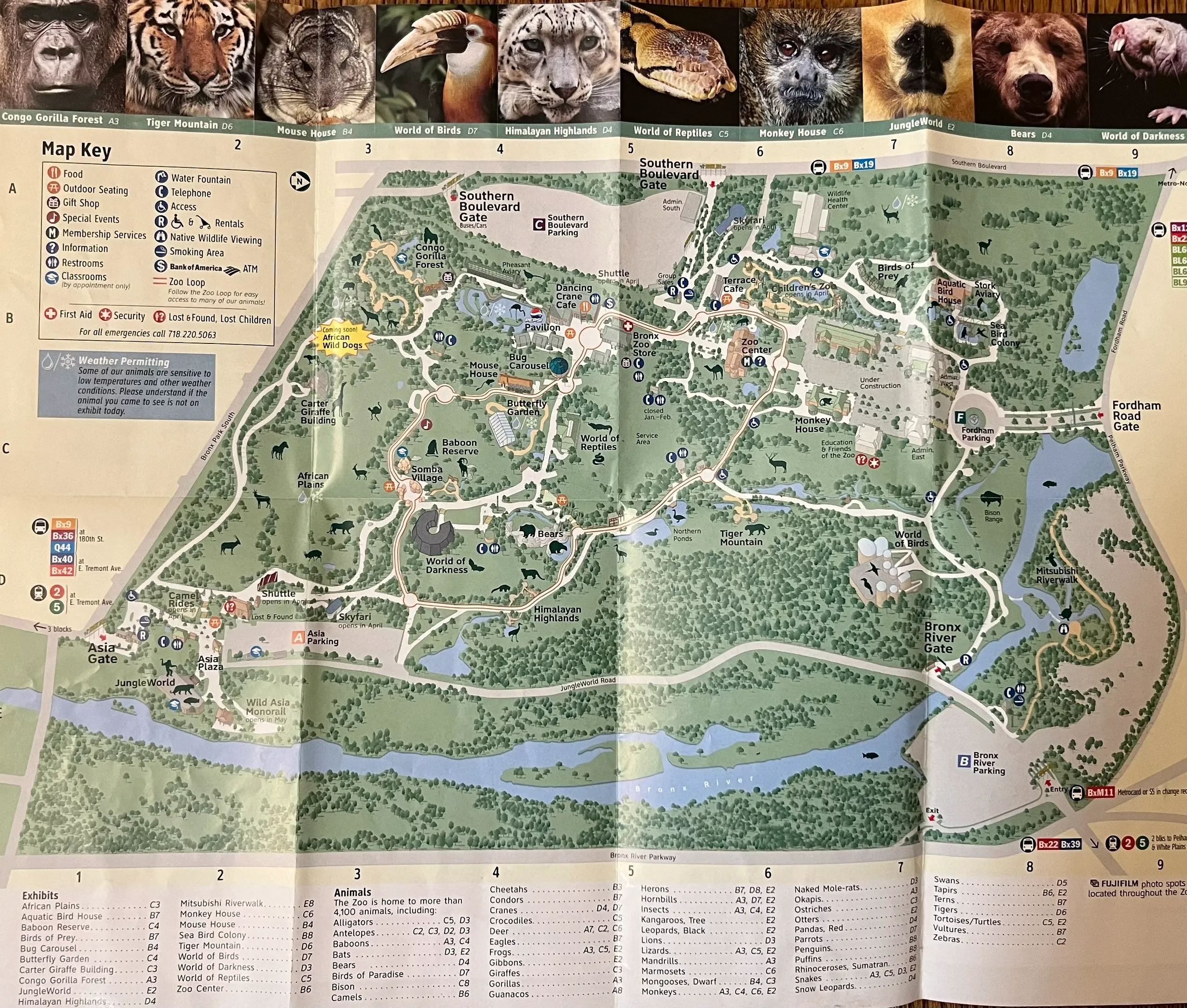
One Day vs Two Days: How Much Bronx Zoo Can You See?
What fits in one day, what needs two, and how families can split energy across visits for maximum enjoyment.
→
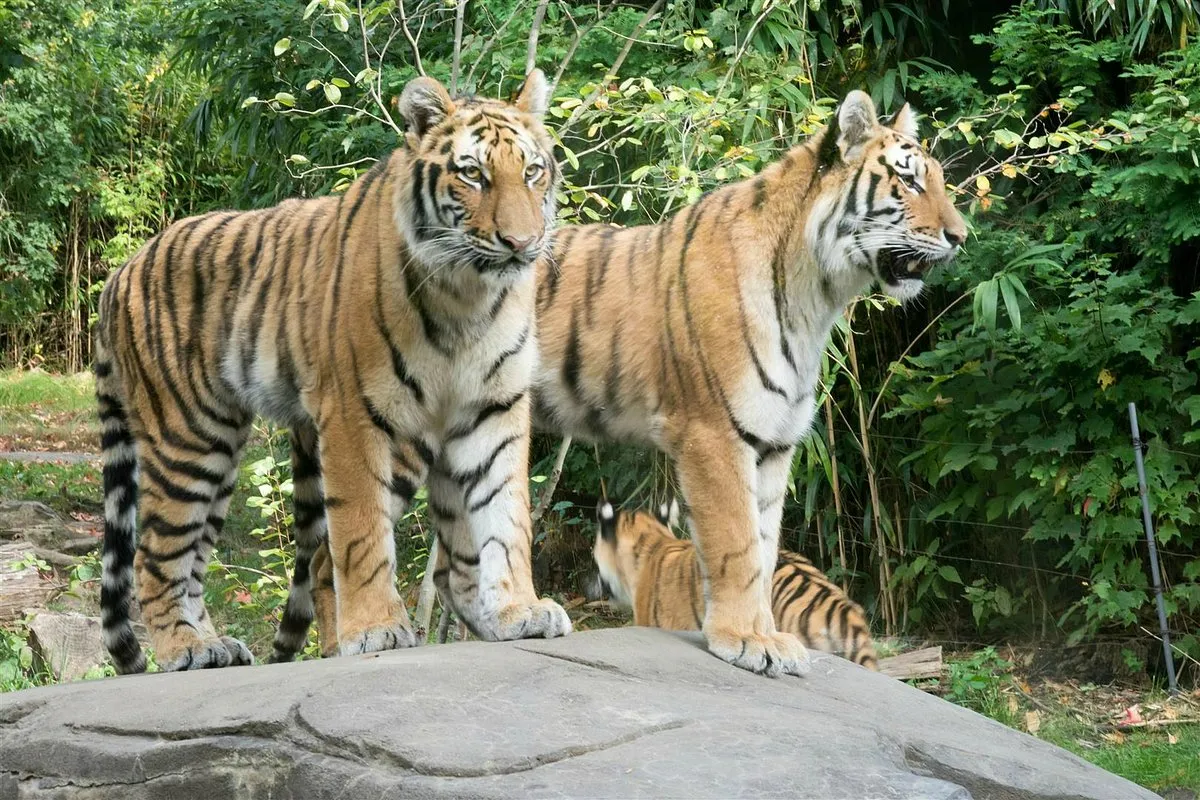
Top Animals to See: Gorillas, Tigers, Rhinos, Lions, and More
Where to find the Bronx Zoo’s stars and the best times to catch natural behaviors without crowds.
→
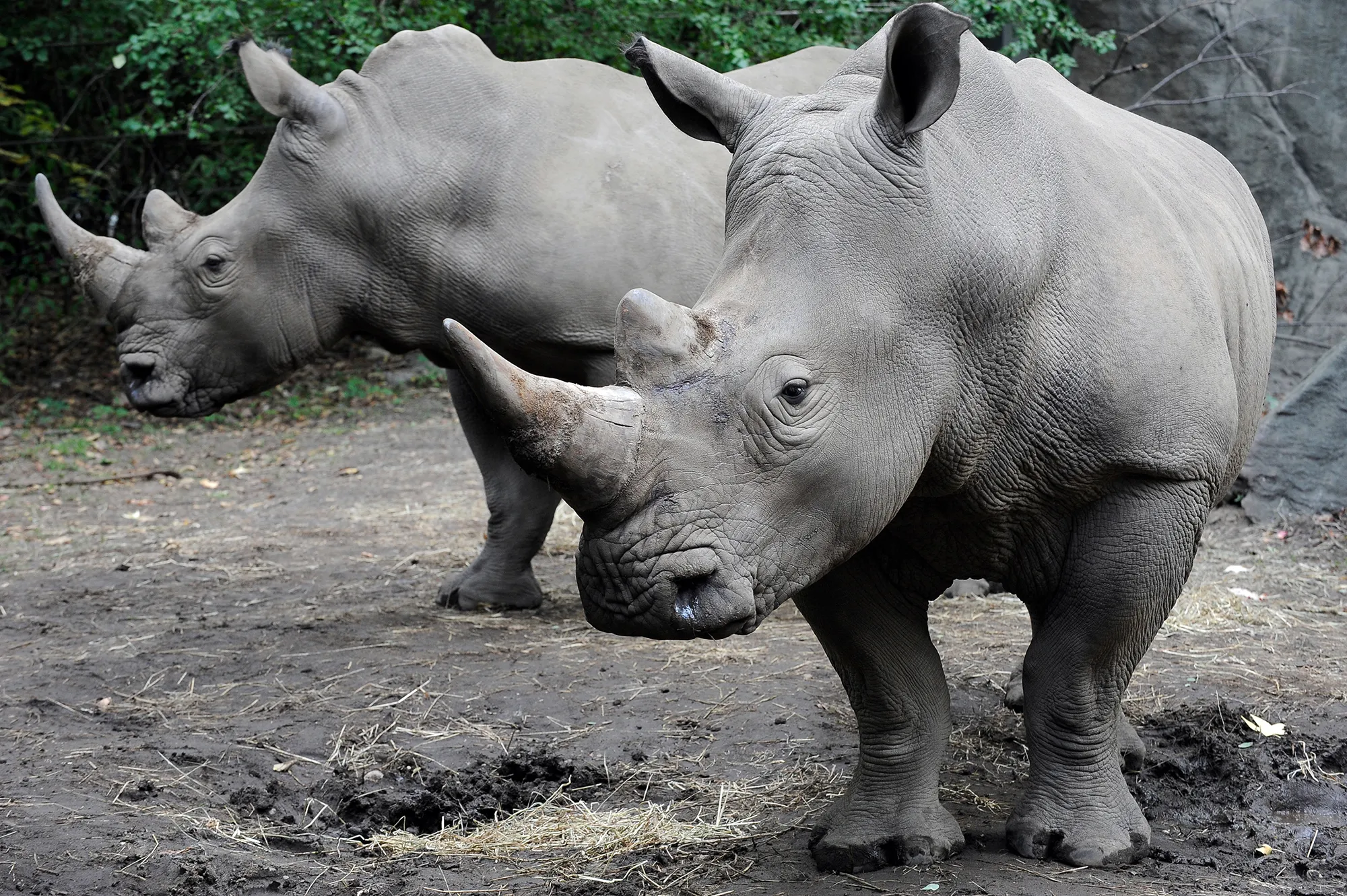
Rhinos of the Bronx Zoo: Monorail Viewing, Shade Lines, and Patience
Track rhino movement with shade and terrain: where to look from the Monorail, and when patience pays off.
→
Lions at the Bronx Zoo: Stillness, Shade, and Golden Hour
Find lions, understand their daily rhythm, and use golden-hour light to turn stillness into dramatic portraits.
→
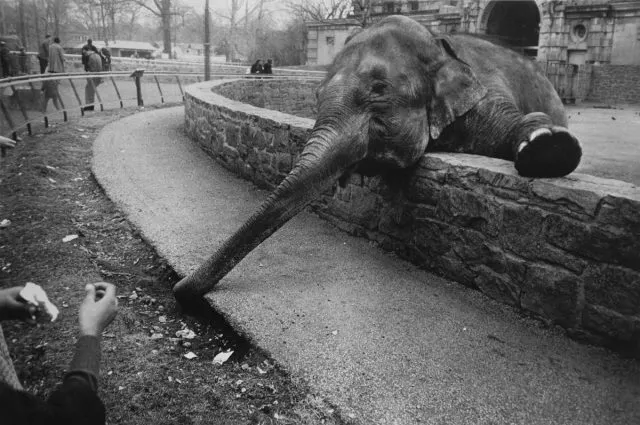
Elephants: Historic Photos, Care Standards, and Visitor Context
A look at elephants through the Bronx Zoo’s history: vintage images, modern standards, and how visitor expectations evolved.
→
Central Fountain: Meet-Up Spot, Shade, and Quick Reset
Use the fountain as your rally point: shade, seating, and a natural photo backdrop in the middle of the park.
→
Entrance Strategy: Your First 30 Minutes (Maps, Schedules, Priorities)
Use the first 30 minutes to set up a great day: maps, schedules, priorities, and a quick route decision.
→
Aquatic Moments: Sea Lions, River Views, and Water-Edge Behavior
From the central pool to Monorail rivers: how water shapes behavior and your viewing strategy.
→
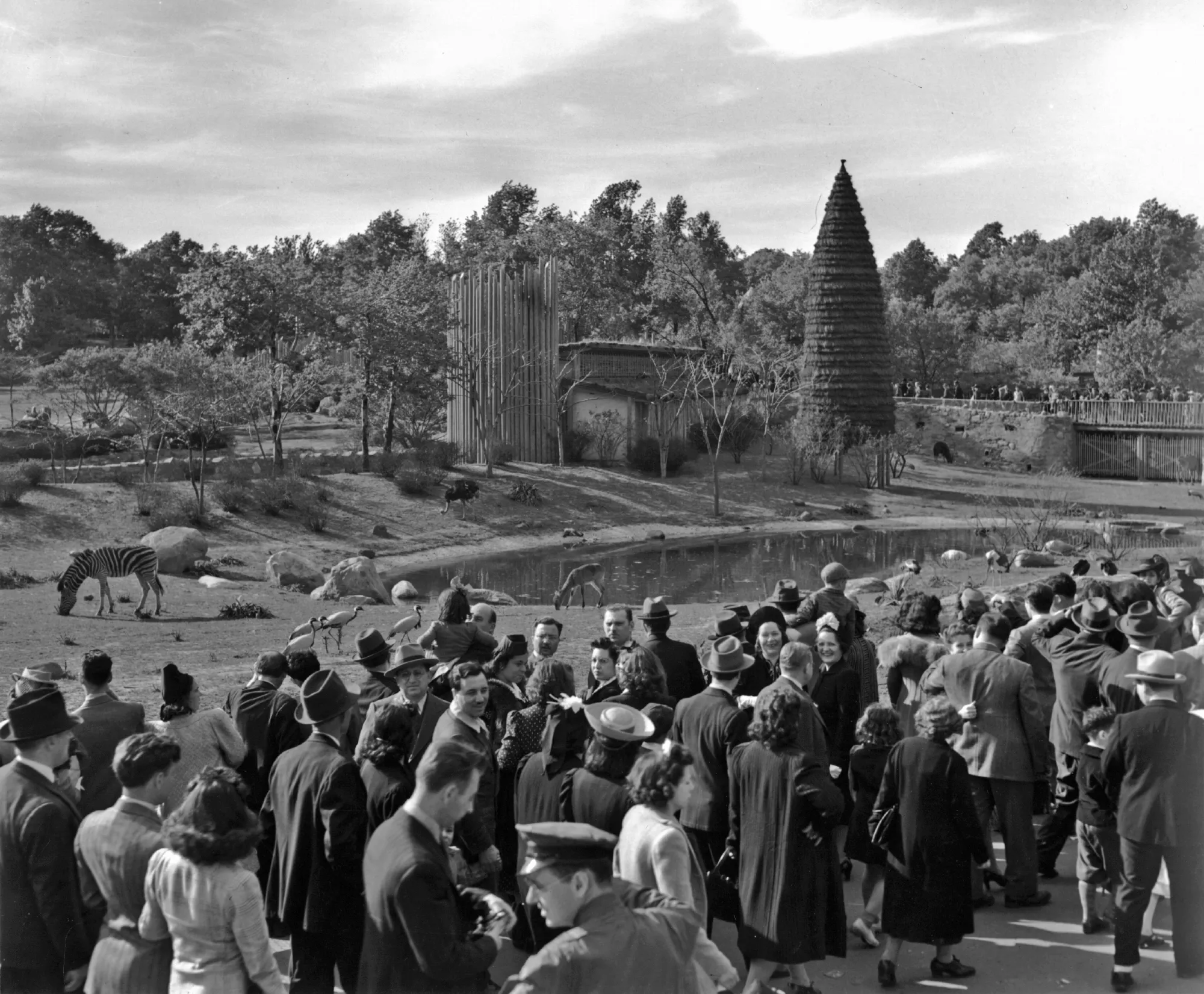
Vintage Crowds & Culture: Mid-Century Bronx Zoo in Photos
A photo essay on mid-century zoo culture: crowds, shows, and the shift toward today’s calmer, habitat-first experiences.
→
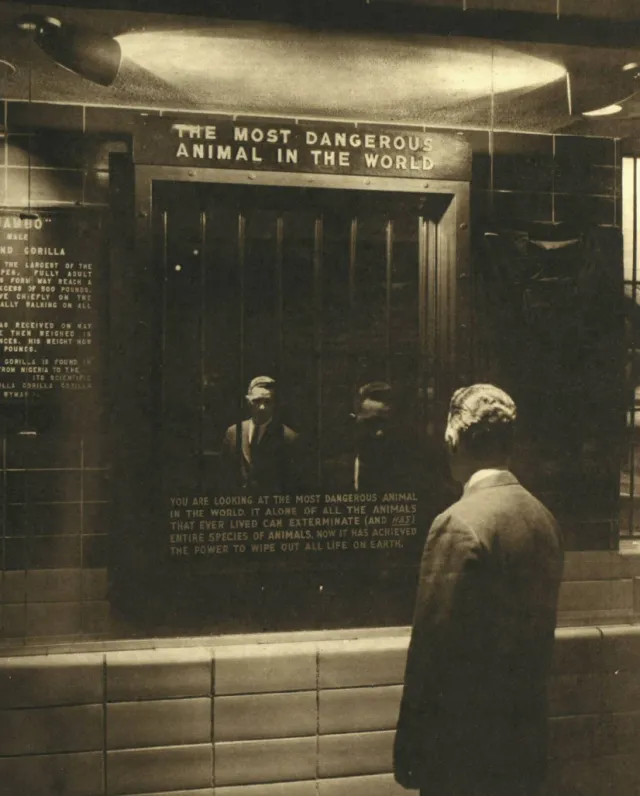
Dangerous Animals (1963): Exhibit Design Then vs Now
How mid-century exhibit design framed predators and risk—contrasted with today’s welfare and behavior-first approach.
→
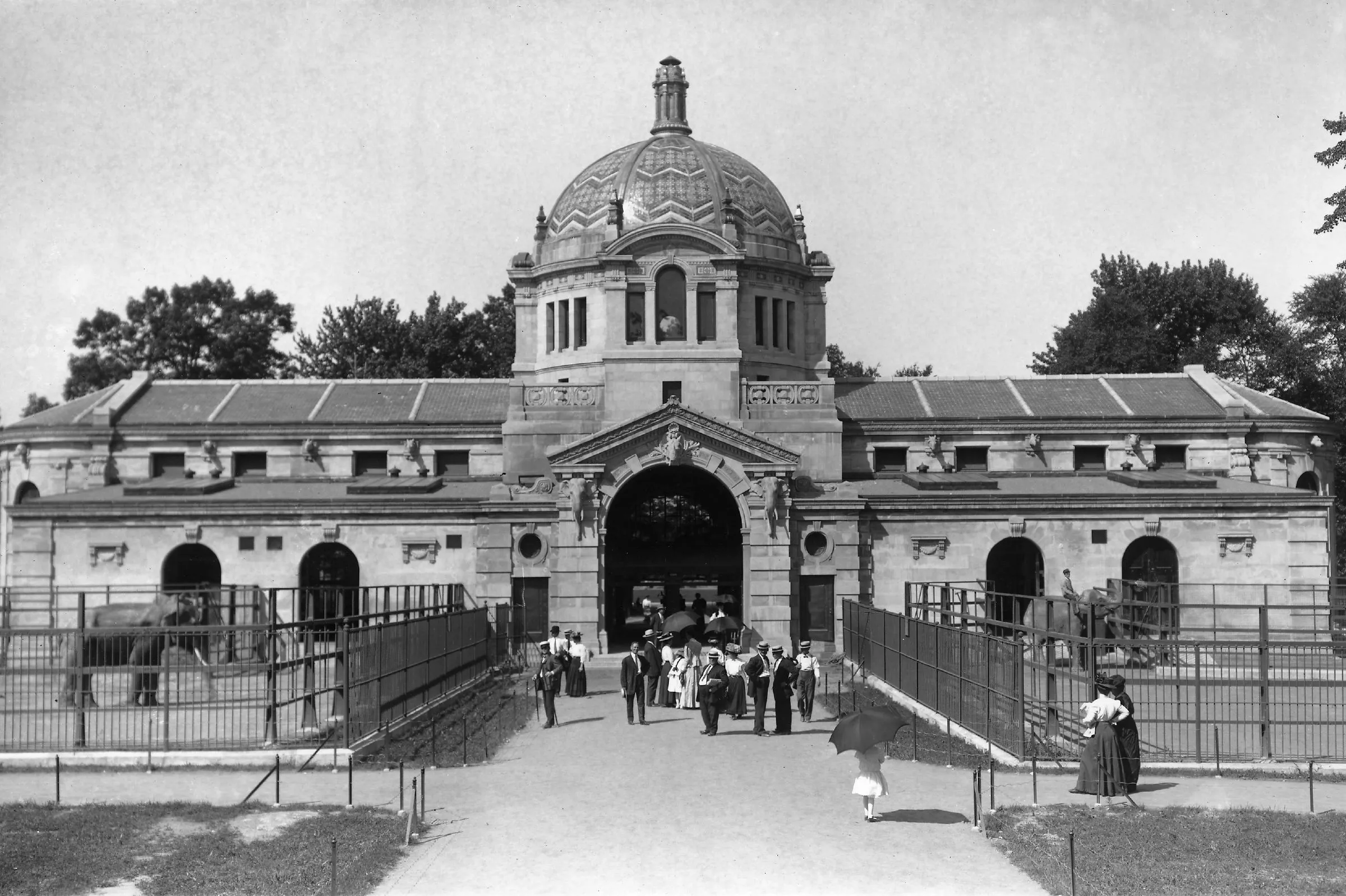
Old Entrance Photos: Architecture, Atmosphere, and Memory
Explore the Bronx Zoo’s entrance architecture through vintage photos—how atmosphere sets expectation before you even step inside.
→
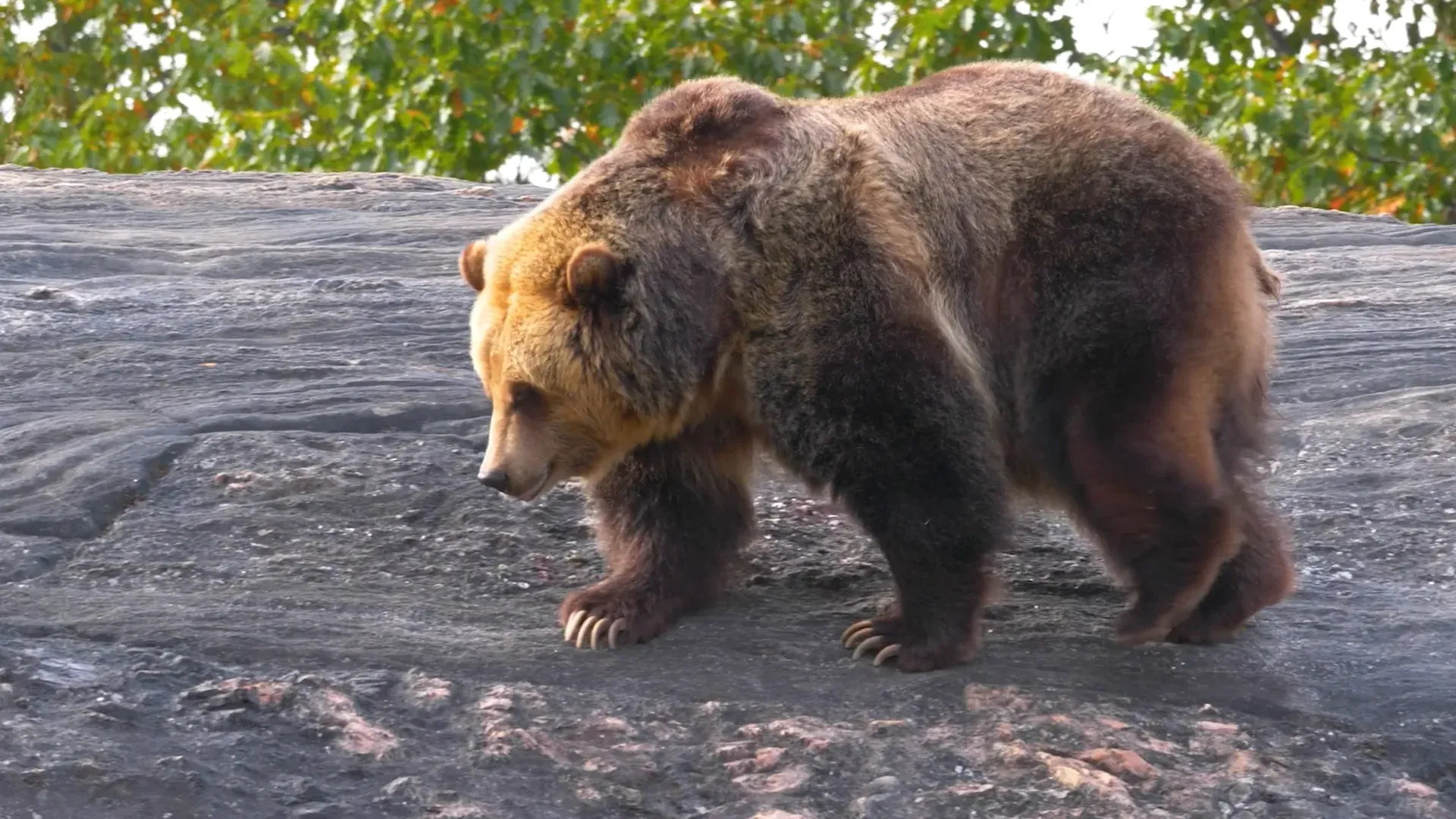
Bears & Carnivores: A Focused Route for Natural Behavior
A mini-route targeting bears and carnivores with timing and vantage points for more natural behavior.
→
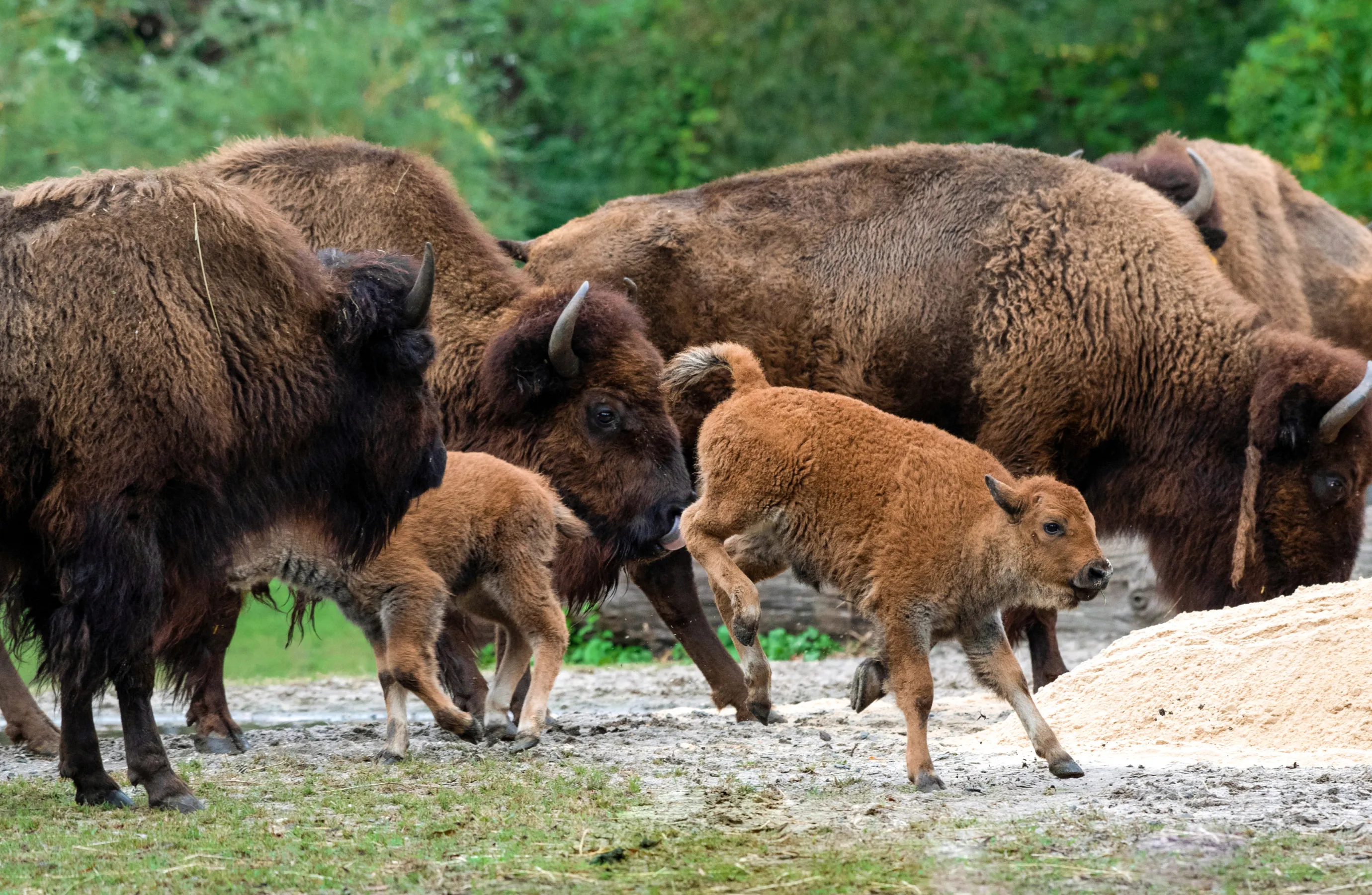
Buffalo & Ungulates: Grazing Lines, Group Behavior, and Photo Patterns
Predict grazing paths and group behavior for better viewing of buffalo and hoofed mammals across open habitats.
→
Mandrills & Primates: Color, Social Signals, and Quiet Observation
Read primate social signals, appreciate color displays, and use quiet observation to catch subtle interactions.
→